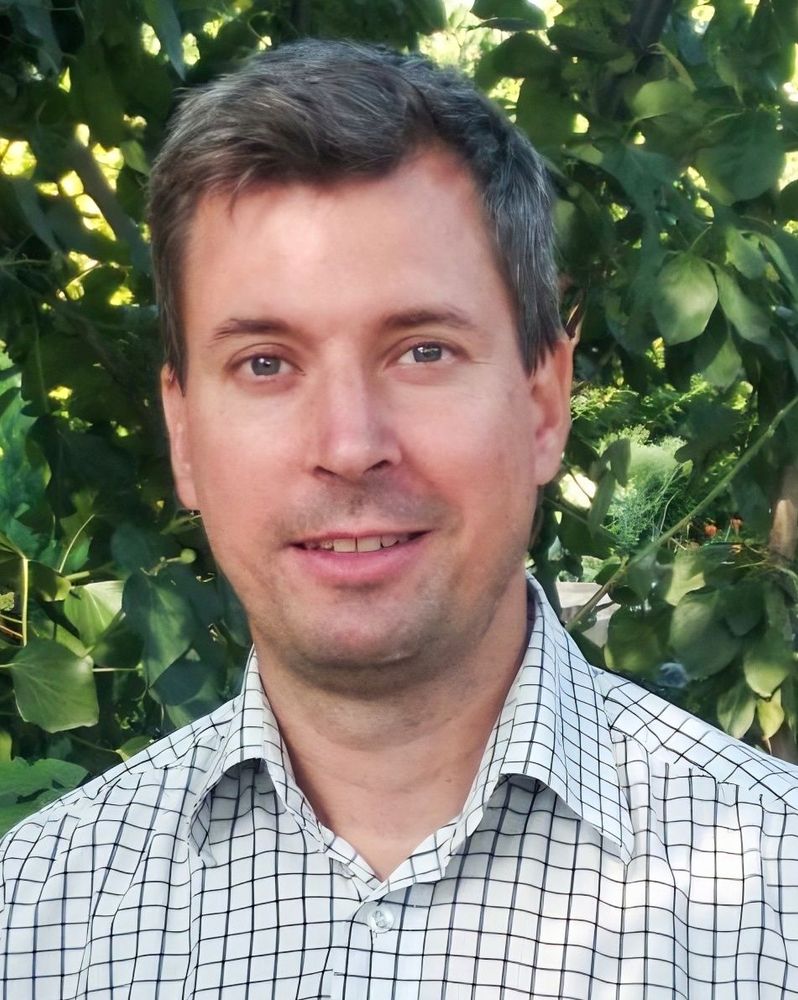
Zveme vás na seminář prof. Marka Vaculíka z Univerzity Komenského v Bratislavě (Prírodovedecká fakulta, Katedra fyziológie rastlín).
Metalloids are a relatively small group of elements with different behaviour in living systems. Some of them, like antimony (Sb) or arsenic (As) are considered dangerous and hazardous for plants, animals and also humans.
Plants are, however, able to take up and accumulate these elements in relatively high concentrations in their organs. They become phytotoxic at high levels in plant tissues, and increased levels of these elements in edible plant parts or medicinal herbs may cause health risks to humans and livestock.
On the other hand, some other metalloids like silicon (Si) are oppositely considered beneficial and some important agricultural species, like rice, could take up large amounts of this element that exceed those of other essential macronutrients like phosphorus (P) or sulphur (S). Moreover, Si was found to ameliorate the phytotoxicity induced by excess metal(loid)s, whether essential (e.g. Cu, Ni, and Zn) or non-essential (e.g. Cd, Pb, Cr, Al, As, and Sb).
The lecture will summarize our current knowledge about multiple effects of harmful and beneficial metalloids on plant growth and development and their fate in the environment.