Zveme vás na seminář, na kterém svůj výzkum představí dva přední odborníci na biologii a biochemii rostlinného hormonu auxinu.
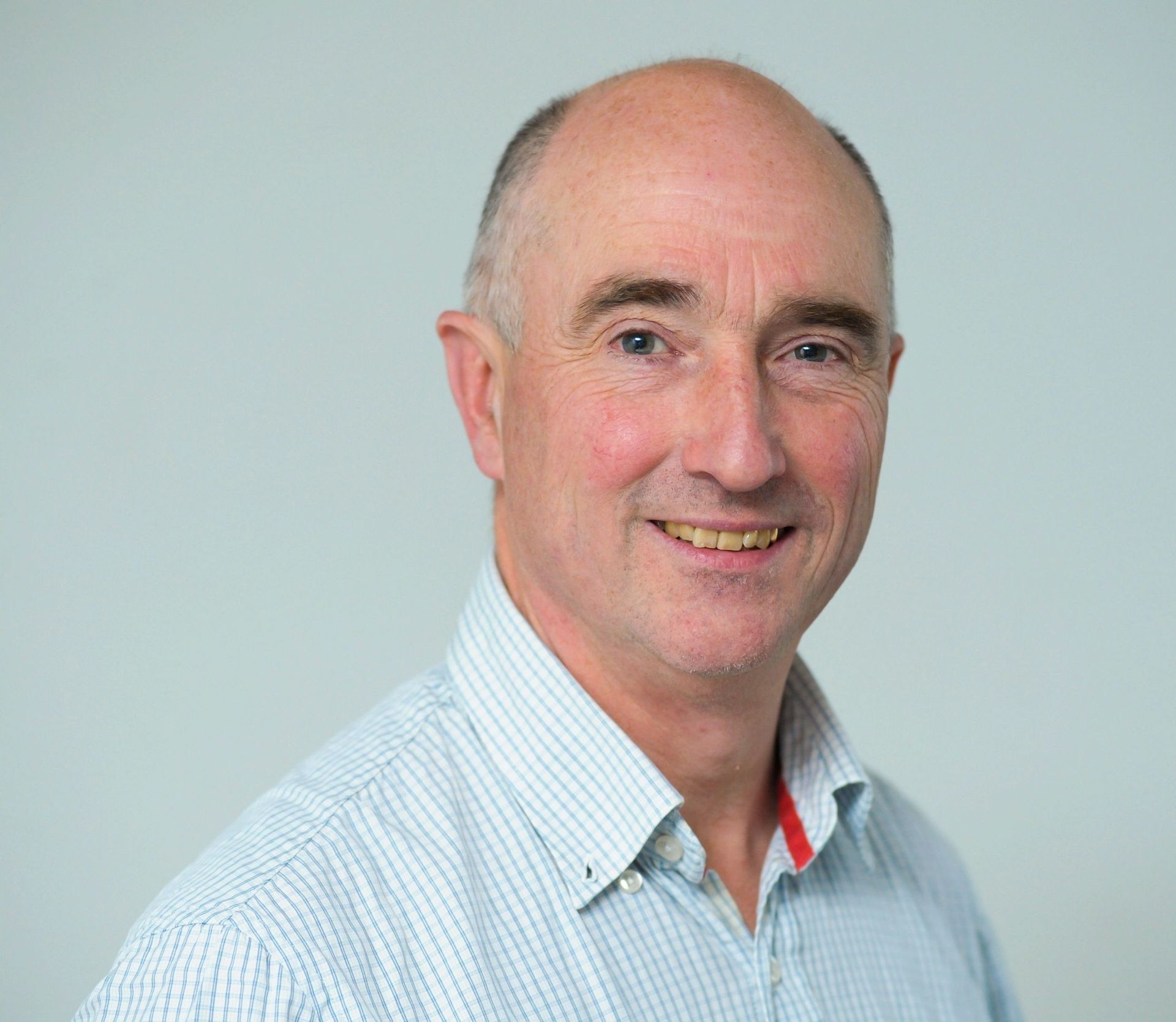
• Richard Napier (University of Warwick, School of Life Sciences):
The chemical biology of auxin recognition
The talk will show how we use an auxin binding assay to map how and why plants recognise auxins.
Over 20 different synthetic auxins have (or had) commercial success. Millions of other small organic molecules are excluded from the receptor. I will show how selectivity is conferred, discuss the newest auxins and introduce our work on resistance to auxin herbicides.
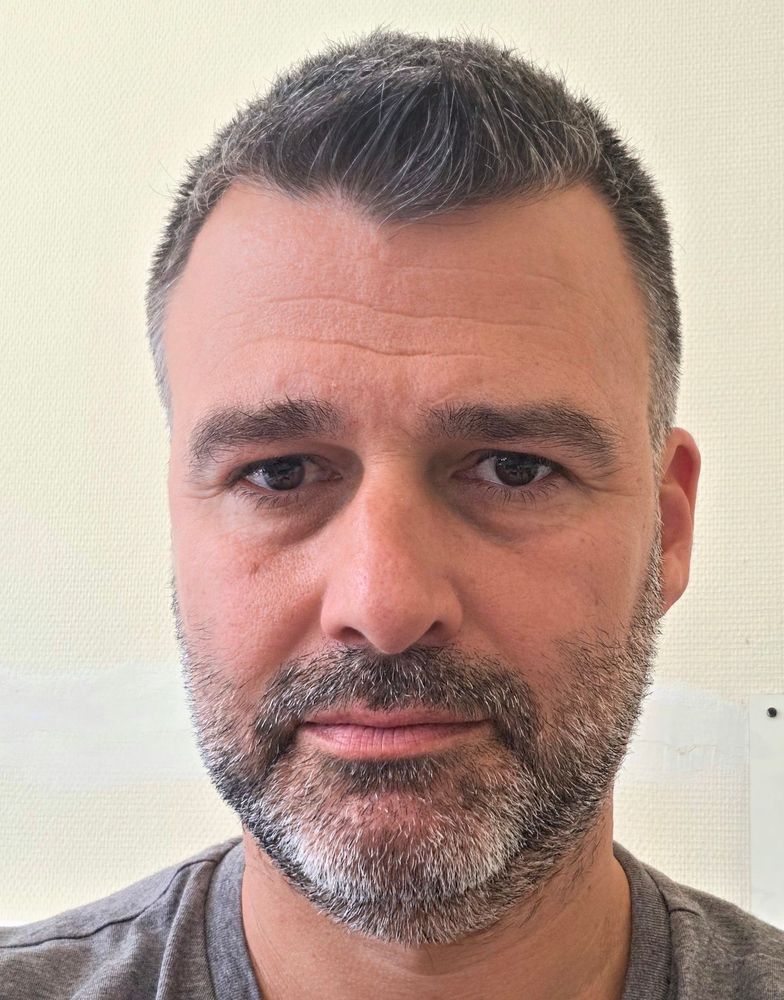
• Steffen Vanneste (Ghent University, Faculty of Bioscience Engineering, Department of Plants and Crops):
Spatially-restricted metabolic delivery of auxin for selective adventitious root induction
Auxin impacts on nearly every aspect of plant growth and development. Its exogenous application therefore results in pleiotropic growth responses. Exploiting this activity for plant propagation requires avoiding or minimizing such off-target effects and is generally achieved as a trade-off between toxicity and organogenetic efficacity.
We recently identified the compound HYSPARIN (HYS) with potent, and uniquely selective adventitious root inductive activity. Unlike other root-inducing compounds, HYS preferentially activates auxin responses in the shoot via an unknown mechanism.
In my talk, I will illustrate that HYS is a tissue-specific proauxin that selectively releases auxin to the cotyledons, from which it is transported to the hypocotyl to induce adventitious roots. I will explore the underlying mechanism of tissue-specificity, and briefly illustrate how we use HYS to study light-regulated adventitious rooting.